
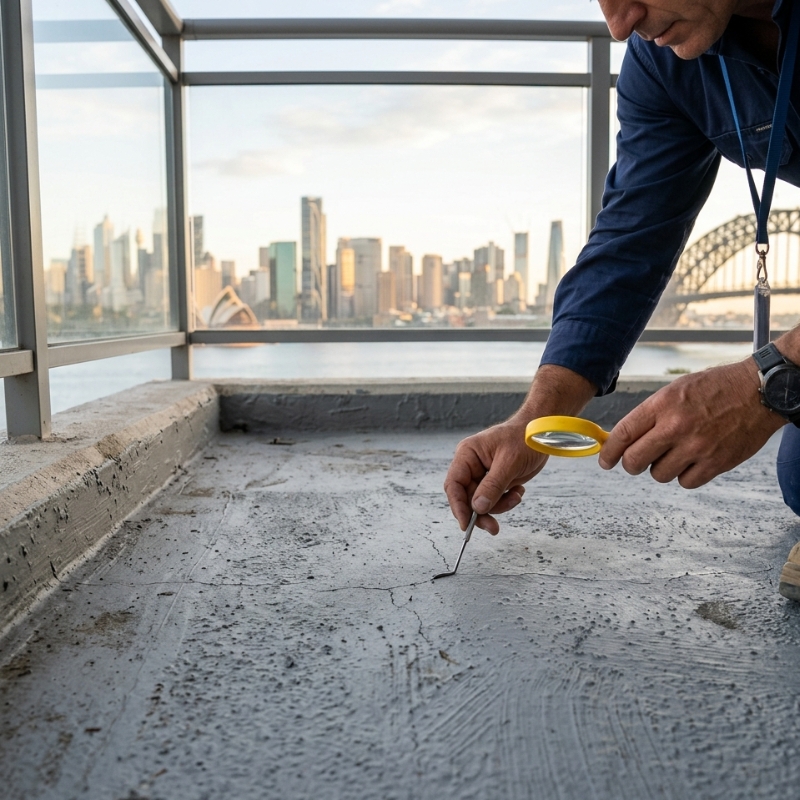
Waterproofing membranes quietly do their job, keeping bathrooms dry, balconies damage-free, and roofs leak-proof in Sydney. But they won’t last forever. Understanding how long these membranes typically last—and spotting the warning signs when they start to fail—can save you from hefty repair costs. This guide digs into the performance duration of common membranes, why they sometimes fail earlier than expected, and easy ways to extend their life. You’ll find some Sydney-specific advice, a quick reference table for minor vs. serious failure signs, and basic maintenance tips you can try before reaching out for professional waterproofing support.
1. Typical Lifespans of Common Waterproofing Membranes
Acrylic Membranes (Brush-on or Roller-on)
Acrylic systems are popular for bathrooms and planter boxes because they’re easy to apply and cure quickly. In dry indoor areas with light movement, you can expect 5–8 years of service. Outdoors on a flexing balcony slab, the average can shorten to 3–5 years unless the surface is re-sealed periodically.
Bituminous Sheet Membranes
Torch-on bitumen sheets have long been the go-to for flat concrete roofs and podium decks. Properly laid and protected from UV with reflective paint or ballast, they often last 10–15 years. Poor drainage, trapped water or inadequate overlap can halve that figure.
Two-Part Polyurethane (PU) Membranes
PU systems bond excellently to concrete and remain flexible, making them ideal for showers and podium slabs. Manufacturers rate premium products for 15 years; real-world Sydney projects generally see 10–12 years before the first signs of stress if installation and curing conditions were spot-on.
Cementitious Flexible Membranes
Used beneath tiles, cement-based compounds reinforced with polymers provide good water resistance but limited crack-bridging capacity. Indoors, they can manage 8–10 years; on a sun-exposed terrace, they may need re-coating within 5–7 years.
Emerging Spray-Applied Polyurea
When fully bonded at the specified film thickness, polyurea can last upward of 20 years on commercial roofs. The catch? Application requires expensive plural-component equipment and tight climate control—mistakes in temperature, humidity or mix ratio can shorten its life dramatically.
Key takeaway: Published manufacturer warranties often assume flawless substrate preparation, ideal curing conditions and regular inspections. Real-world lifespan depends more on workmanship, substrate movement, UV exposure and ongoing maintenance than the brochure suggests.
2. Five Factors That Shorten a Membrane’s Life in Sydney
- UV & Heat Cycling – Our hot summers and mild, humid winters create expansion-contraction cycles. UV weakens exposed acrylic or bitumen unless a reflective coating is reapplied.
- Poor Drainage – Ponding water on flat roofs or clogged balcony outlets keeps the membrane under hydrostatic pressure, accelerating degradation.
- Building Movement – High-rise apartments near the coast experience wind sway; older terrace homes settle over time, stressing rigid membranes.
- Incorrect Product Selection – Using a rigid cementitious product on a timber deck almost guarantees cracks once the timber flexes.
- Shortcut Installation – Rushing primer cure times, skipping bond-breakers at wall-to-floor junctions, or applying below-minimum film thickness are classic triggers we see during leak investigations.
3. How to Spot Early Membrane Failure: Minor vs Serious Signs
Small issues caught early are far cheaper to resolve. Use the table below to distinguish cosmetic wear from situations that usually need professional repair.
| Symptom | What It May Indicate | Suggested Next Step |
| Hairline surface cracks in tile grout | Localised movement; the membrane may still be intact | Clean, re-grout, and monitor for moisture stains |
| Efflorescence (white salts) on balcony tiles | Moisture migrating through the slab, with a possible pinhole in the membrane | Perform moisture meter test; reseal grout if dry |
| Blistering/bubbling of paint on the bathroom ceiling below the shower | Moisture entering the ceiling cavity—membrane breach likely | Arrange non-invasive leak detection; repair section |
| Persistent damp smell even when the area looks dry | Hidden moisture under tiles or behind walls | An infrared scan or a pressure test to locate the leak |
| Visible water pooling under balcony tiles after rain | Drainage failure or membrane delamination | Lift tile corner for inspection; consider full re-membrane |
| Brown water stains on the lower-level ceiling | Ongoing leak bypassing the membrane | Urgent assessment; isolate water source; major repair |
Even minor signs that keep returning are worth investigating sooner rather than later. Ignoring them can turn a small patch job into a full substrate replacement.
4. Sydney Climate Watch: Local Conditions That Accelerate Wear
- Salt-laden coastal breezes corrode metal flashings and can undermine membrane terminations on rooftops from Bondi to Manly
- Sudden downpours typical of late-summer storms test the drainage capacity of balconies and rooftop gardens, pushing water back through small defects.
- Urban heat-island effect in dense suburbs like Parramatta raises rooftop temperatures, intensifying thermal cycling fatigue.
- Reactive clay pockets in Western Sydney expand in wet spells and shrink in droughts, creating slab movement that rigid membranes struggle to bridge.
Understanding these local stresses informs smarter product choice and maintenance schedules.
5. Proactive Maintenance: Five Habits That Add Years to a Membrane
- Keep drains, scuppers and overflows clear, so stormwater never pools longer than 48 hours.
- Reapply UV-protective topcoats (acrylic paint or reflective aluminium paint) every 3–5 years on exposed membranes.
- Inspect junction sealant annually—especially silicone beads around balcony upstands and shower hobs—and re-caulk where gaps appear.
- Avoid harsh cleaning chemicals like bleach or high-pressure washers that strip protective films or damage sealant edges.
- Schedule a professional moisture scan every 4–5 years on rooftops or balconies to detect hidden issues while still inexpensive to fix.
Routine upkeep is far cheaper than reactive repairs and helps membranes reach (or exceed) their predicted lifespan.
6. Repair, Overlay or Replace? Deciding Your Next Move
When signs of failure surface, owners often ask whether a quick patch, a liquid overlay, or a full strip-and-replace is smartest. The answer depends on:
- Extent of moisture migration beneath tiles or screed
- Whether the substrate is sound or deteriorating
- Building movement history
- Compatibility of new products with existing membrane chemistry
- Access constraints (e.g., top-floor penthouse vs ground-level patio)
Liquid overlays can work on minor, stable cracks, but if water has migrated throughout the bedding layer, lifting tiles to address the root cause is usually wiser.
7. Common Mistakes to Avoid During DIY Patching
- Applying sealant directly over wet substrates—traps moisture and peels.
- Skipping a bond-breaker tape at wall-floor junctions—cracks reappear.
- Using an interior-grade membrane outdoors—UV devours it within a year.
- Not priming powdery surfaces causes loss of adhesion.
- Assuming negative-side waterproofing (coating the underside of a slab) will fix a positive-side leak—often only redirects water elsewhere.
Following the manufacturer’s data sheet to the letter and respecting cure times saves redoing the job.
8. Questions That Help You Choose the Right Repair Path
- Is the structure still moving, and can I accommodate that movement with a flexible system?
- Can drainage be improved first, so that water pressure on the membrane is reduced?
- Are compatible primers and finishes available, or will chemical incompatibility force a full strip?
- Is there warranty coverage left that may dictate using the original installer or product line?
- Will the repaired area be visually acceptable if tiles need replacing with a near-match?
These questions help homeowners, strata committees and facility managers weigh up temporary fixes versus long-term peace of mind.
9. Helpful Regulations & Standards You Should Know
Under the NSW Home Building Regulation 2014, waterproofing in wet areas must comply with AS 3740:2021. While the full standard is technical, the NSW Fair Trading waterproofing guidelines summarise key durability and workmanship expectations. Knowing these high-level points helps you confirm whether past work was compliant and what documentation to request during repairs.
10. When Professional Help Is the Safer Option
- Leaks are recurring after multiple DIY attempts
- Structural movement cracks exceed 2 mm and keep widening
- Tiles or screeds need lifting to reach the membrane
- Multiple junctions (balcony door thresholds, balustrade posts) require specialised flashings
- You need warranty documentation for strata or resale value
If you’re weighing up a patch versus replacement, reputable technicians can conduct non-destructive moisture tests and advise whether targeted repair or a full system upgrade will be more cost-effective over the next decade. For balcony-specific challenges, see our range of balcony waterproofing solutions for insights into suitable membrane types and detailing options.
Frequently Asked Questions
- Does a waterproofing membrane’s warranty equal its real-world lifespan?
Not always. Warranties cover manufacturing defects for a set period (often 10 years), provided installation met strict guidelines. Real-world factors such as UV exposure, substrate movement and maintenance quality frequently dictate whether the membrane reaches, exceeds or falls short of that timeframe. - Can I apply a new liquid membrane over existing tiles?
In limited situations, yes, but only if the original tiles are well-bonded, the surface is thoroughly cleaned, and a compatible primer is used. Any hollow-sounding or drummy tiles should be removed first; the new layer will eventually delaminate along with the old. - How often should balconies be reinspected for waterproofing issues?
Annually is a sensible baseline in Sydney’s climate—ideally at the end of summer storm season when movement-related cracks or drainage clogs become obvious. - Is membrane failure covered by insurance?
Policies vary. Sudden, accidental damage may be covered, but gradual deterioration or defective installation is often excluded. Always check exclusions around “building defects” or “gradual water ingress.” - Are crystalline waterproofing additives a substitute for topical membranes?
Crystalline admixtures can reduce capillary porosity in concrete, but don’t replace flexible topical membranes in areas subject to movement or live loading. They’re best viewed as a complementary moisture-resistance layer, not a standalone solution for balconies, bathrooms or rooftops.
Final Thoughts
A waterproofing membrane’s lifespan isn’t set in stone. Product chemistry, site conditions, workmanship and ongoing care all play a part. By spotting early warning signs, clearing drains, and scheduling regular inspections, Sydney homeowners and strata managers can often extend a membrane’s life well beyond headline warranty periods. When symptoms point to a deeper issue—leaks that return, widening cracks, or damp smells—seeking professional assessment early usually saves money and prevents structural damage down the track.