
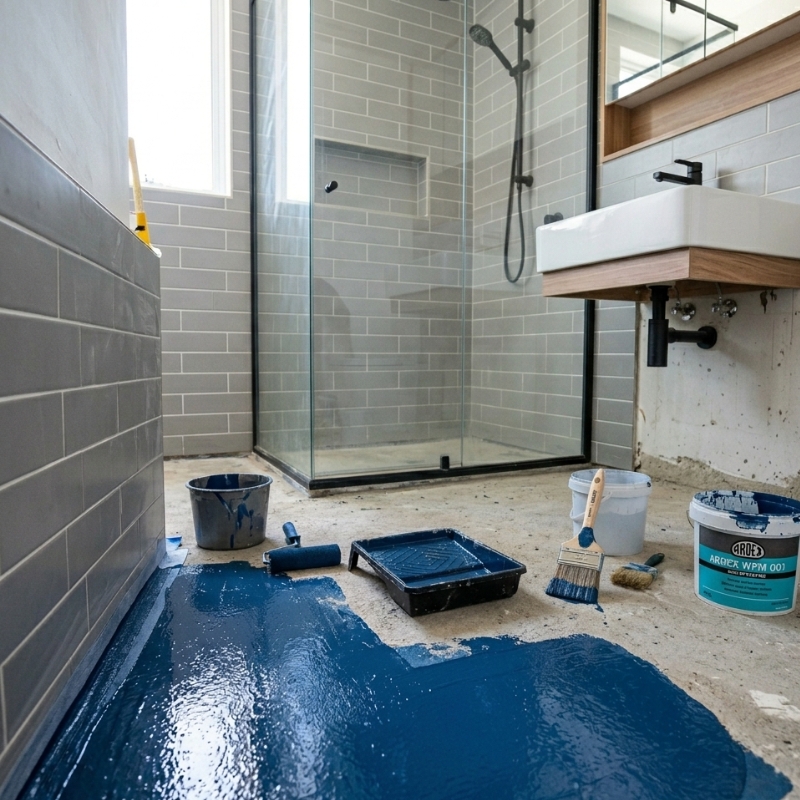
Leaky bathrooms can ruin your renovation budget real fast. That’s why it’s key to get a handle on how waterproofing can impact your costs. Every renovation’s different, and the waterproofing costs in Sydney can range from small to hefty, depending on certain factors. We’re diving into what generally gets included in quotes, reasons for cost differences, and ways to avoid getting overcharged. Plus, we’ll touch on the rules and requirements in NSW—along with when it might be smart to hire licensed bathroom and laundry waterproofing support.
Why the “Cost” of Waterproofing Matters More Than the Line Item
Don’t just focus on the number on the invoice. Good waterproofing is about managing risk. A well-done membrane:
- Protects timber frames, sheeting, and insulation from rot
- Stops mould from spreading through your home’s air
- Keeps property value intact—moisture damage screams red flag to inspectors
- Fulfils insurer, strata, and council compliance needs
Cutting corners might mean gutting everything down the road. Spending wisely now buys you peace of mind tomorrow.
What Drives the Price of Bathroom Waterproofing in Sydney?
Two bathrooms may seem identical, but waterproofing costs can vary. Here’s why.
1. Floor Area and Layout Complexity
Labour usually depends on size, but extra features like benches or curved walls add time.
2. Substrate Condition
Cracks or damp areas need fixing before waterproofing. That ups the labour and materials.
3. Membrane Type
- Liquid membranes might be cheaper, but labour can pile up.
- Higher-end membranes cost more but can be faster on bigger areas.
4. Labour, Licensing and Certification
In NSW, a licensed pro needs to do or approve the work. You’re paying for their know-how, insurance, and a compliance certificate.
Tip: Verify a contractor’s license status on the NSW Fair Trading license checker before moving forward.
5. Site Accessibility
Inner-city homes? Think no easy parking and lots of stairs—more labour hours.
6. Timing and Coordination
Peak times like holidays or emergencies can hike up costs. Plan ahead to save.
Typical Cost Tiers (Why One Bathroom Quote Isn’t the Same as Another)
Contractor quotes differ a lot. The table below gives an overview of how the same bathroom size fits into cost categories based on complexity, without sticking to exact numbers.
| Tier | What You Generally Receive | Common Inclusion Examples | Where It’s Often Seen |
| Budget-Friendly | Basic liquid membrane on sound surfaces with few details | Standard wall junctions, simple floor waste | Small guest or rental bathrooms |
| Mid-Range | Better quality membrane, proper priming, some repairs, waterproofing certificate | Shower niche, seat, multiple wall upstands | Standard family bath remodels |
| Premium / Complex | High-end sheet or hybrid system, extensive prep, detailed paperwork | Curved walls, custom features, major rebuilds | Upscale projects, coastal homes, luxury upgrades |
Choosing a “budget” approach can meet standards—if executed correctly. It’s all about aligning the room’s risk with your comfort level for maintenance.
DIY, Handyman or Licensed Waterproofer: Cost vs. Risk
Thinking about DIY, using a handyman, or hiring a pro? Here’s a look at the initial savings versus possible risks—without nailing down exact figures.
| Option | Upfront Cost Profile | Key Risks | Certification Provided? | Who It Best Suits |
| DIY kit from a hardware store | Cheapest, just materials | Potential to miss spots, drying issues, voided warranties, and possible insurance problems | No | DIYers willing to take on bigger failure risks |
| General handyman | Costs more; labour plus materials | Might lack a license, limited recourse if issues arise | Rarely | Quick fixes with no formal compliance needed |
| Licensed waterproofer | Higher initial cost, but meets standards | Covers liabilities, offers a warranty, and provides the required certificate | Yes | Any bathroom where resale value, strata, or longevity count |
DIY may seem cheaper now, but it could cost more if things go south. A license is like an insurance policy.
Hidden Costs Homeowners Often Forget
- Moisture testing – Checks dryness of the substrate, important in older homes or post-leak repairs.
- Reinstating fixtures – Toilets and vanities need removing and replacing afterward.
- Extra ventilation – A better exhaust fan will help protect the membrane over time.
- Insurance excess – Water-damage claims may have higher deductibles, and leaks can void coverage.
- Temporary accommodation – You might be out of the house while membranes cure and tiling gets done.
Money-Saving Tips That Don’t Compromise the Waterproofing
- Plan ahead: Book your waterproofer before starting demo work, so everything’s dry and ready.
- Align areas: Design shower niches to fit existing frames to reduce work.
- Stick to standard fixtures: Custom pieces can drive up time and cost.
- Focus on ventilation: A decent exhaust fan boosts membrane lifespan.
- Combine efforts: Waterproofing the ensuite and main bathroom together can cut down call-out fees.
Questions to Ask Before You Accept a Waterproofing Quote
- Do you have a current NSW waterproofing license and insurance?
- What membrane system will you use, and does it meet AS 3740?
- How long must the membrane cure before tiling starts?
- Are substrate repairs or moisture testing included or extra?
- Will I get a waterproofing certificate when you’re done?
- What’s your plan if a leak occurs within warranty?
These questions get you to the heart of real value, not just the price.
When Cheap Waterproofing Becomes Expensive: Common Sydney Mistakes
Sydney throws a mix of coastal weather and older homes into the equation, often leading to:
- Membranes applied over damp areas—these fail fast
- Gaps around drains that become breeding grounds for mould
- Balcony leaks are creeping into bathrooms, only found after a professional leak detection inspection
- Floors are not sloped enough towards the drains, leaving stagnant water against the membrane
Fixing these issues later typically costs way more than any upfront “savings.”
Frequently Asked Questions
1. How long does a bathroom waterproofing job take in Sydney?
Most pros need two visits spread over three to four days, though how long waterproofing membranes last depends on the membrane type, prep, and conditions: primer and first coat on day one, second coat on day two, a 24-hour cure, then it’s time for tiling. Weather, air flow, and membrane type can affect curing time.
2. Is waterproofing mandatory under NSW law?
Yep, every bathroom, laundry, or wet area in NSW needs a waterproofing membrane. It has to follow AS 3740 and be signed off by a licensed pro for new builds or council-approved renovations.
3. Can I just waterproof the shower recess to save money?
Technically, yes, but water has a mind of its own. Most Sydney certifiers—and insurers—now require full waterproofing across the entire wet area.
4. Do tiles need to be removed to re-waterproof?
If the waterproofing’s a bust, the tiles need pulling up so the base can be fixed. Just putting something over the old tiles rarely works and could nullify warranties.
5. When can I use the bathroom again after waterproofing?
Give it at least a day for the membrane to set, plus time for tile adhesive and grout to cure. Realistically, best to wait three to five days before splashing around.
Final Thoughts
Good waterproofing forms the foundation for a bathroom that lasts. While the cost on your quote will vary with room size, membrane type, and other factors, the real value lies in avoiding headaches like structural damage, mould, and that renovator’s regret. If your setup’s complicated, has moisture issues, or you just want peace of mind, hiring a licensed pro is a no-brainer.